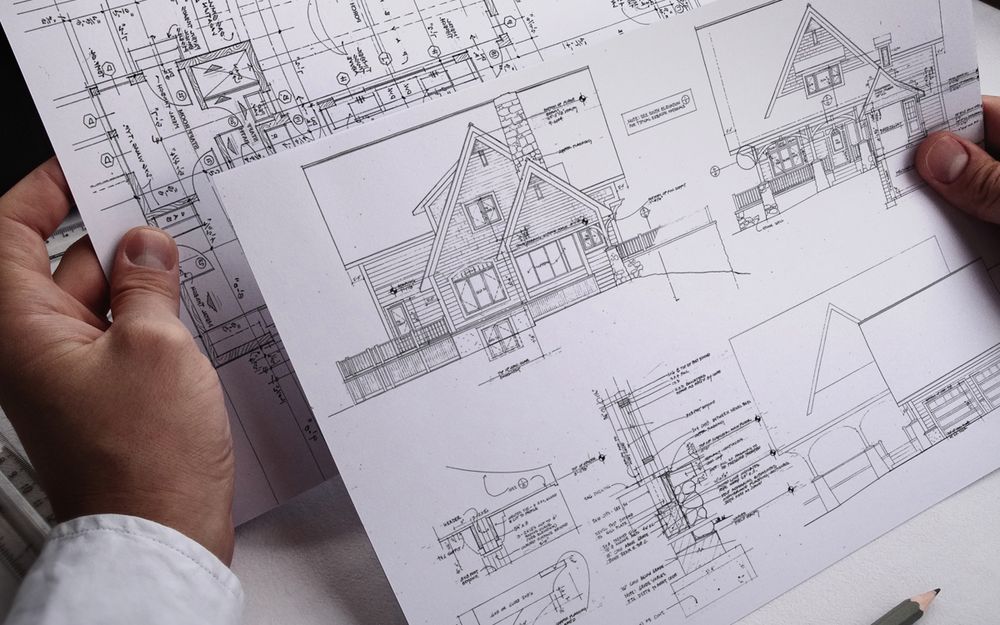
The biggest decisions about cost are made early, often before the drawings are detailed enough to measure. That is when an early cost estimate is most useful.
How an early estimate works
Instead of pricing every item, an early estimate prices the building by major element: substructure, structure, envelope, internal finishes, services and external works. Rates are drawn from comparable projects and adjusted for your quality level and site.
Why use one?
- Test affordability. Find out early whether the concept fits the budget.
- Compare options. See how changes in size, shape or finishes affect cost.
- Guide design decisions. Know which elements drive cost.
- Support early conversations. With lenders, partners or advisers.
How accurate is it?
An early estimate is a guide and carries a wider allowance than a measured estimate. As the design develops, it is refined and then replaced by a detailed estimate.
Early versus detailed estimates
| Stage | Estimate type | Based on |
|---|---|---|
| Concept / feasibility | Cost plan by element | Areas, sketch plans, benchmarks |
| Developed design | Cost plan or measured | Developed drawings |
| Construction documents | Detailed estimate | Measured quantities and priced items |
Explore our Feasibility Cost Planning and Construction Cost Estimates.