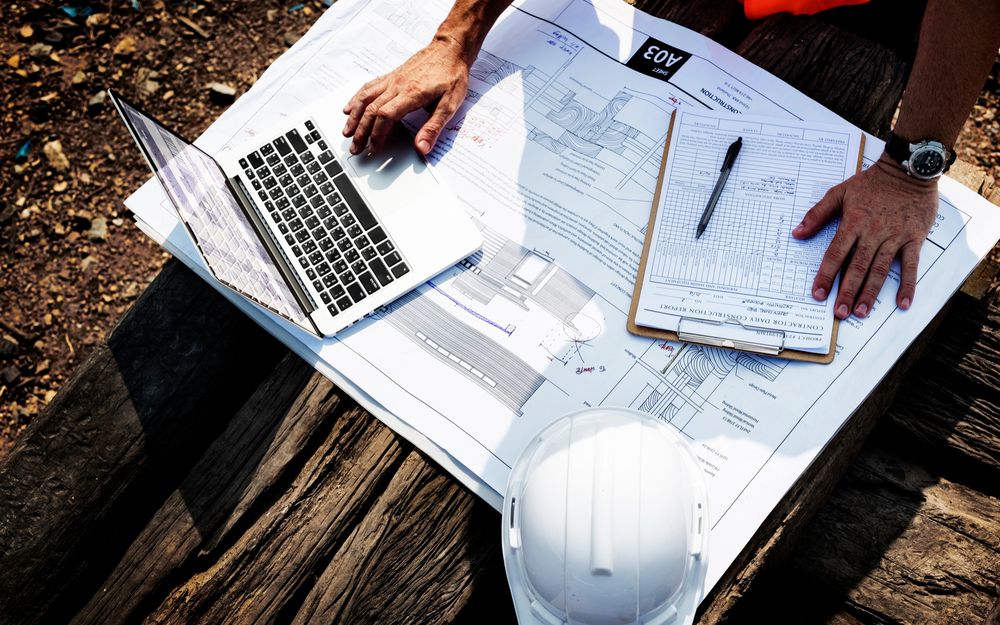
If your construction loan is paid in stages, each payment is called a drawdown. Before the lender releases the next one, an independent quantity surveyor typically confirms how much work has actually been completed. Here is how the process usually runs.
1. The builder issues a progress claim
The builder claims payment for work done to date. The claim may be based on stages (for example foundations, frame, lock-up and fit-out) or on a percentage of the contract.
2. The claim goes to the QS
You or your builder send the claim to the quantity surveyor, with any approved variations since the last drawdown. The sooner this is done, the sooner funds can move.
3. The QS inspects the site
The QS visits, inspects the work in place and records it, usually with photos. The inspection is what separates a drawdown report from a desktop review: it ties the claim to what is physically there.
4. The QS values the work
The work in place is valued and compared with the amount claimed. If the claim is higher than the value of work completed, the difference is explained in the report.
5. Cost to complete is checked
The QS compares the remaining cost with the remaining funds. This tells the lender whether the project can still be finished with the money available.
6. The report goes to the lender
The lender uses the report to decide how much to release. Clear, timely reports usually mean faster payments for the builder and fewer disputes.
Tips for smoother drawdowns
- Submit progress claims as soon as they are issued.
- Arrange site access before the QS arrives.
- Keep variations documented and approved in writing.
- Raise any concerns early rather than at the final drawdown.
Learn more about our Drawdown Reports and Progress Payment Inspections.